

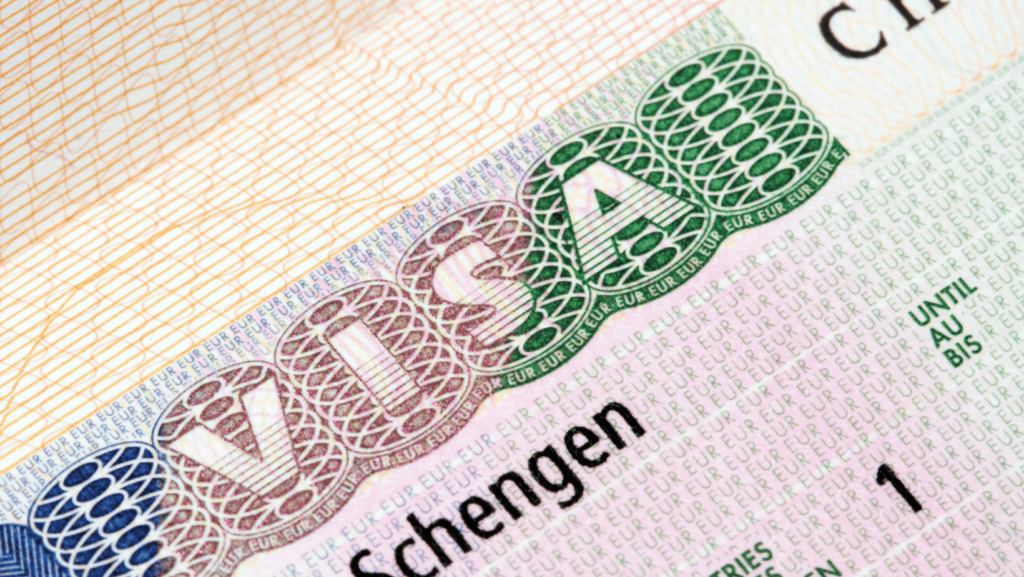
Wondering which Schengen visa you need? This guide covers the main types of Schengen visas.
Find out which one suits your travel plans.
Key Takeaways
- The Schengen visa simplifies travel across 29 countries, categorized into short-stay and long-stay visas based on duration and purpose.
- Short-stay visas allow stays of up to 90 days while long-stay visas are for durations exceeding 90 days, often issued for work, study, or family reunification.
- Travel insurance is mandatory for Schengen visa applications, covering emergency medical care with a minimum of €30,000 coverage to ensure traveler protection.
Overview of Schengen Visa Types
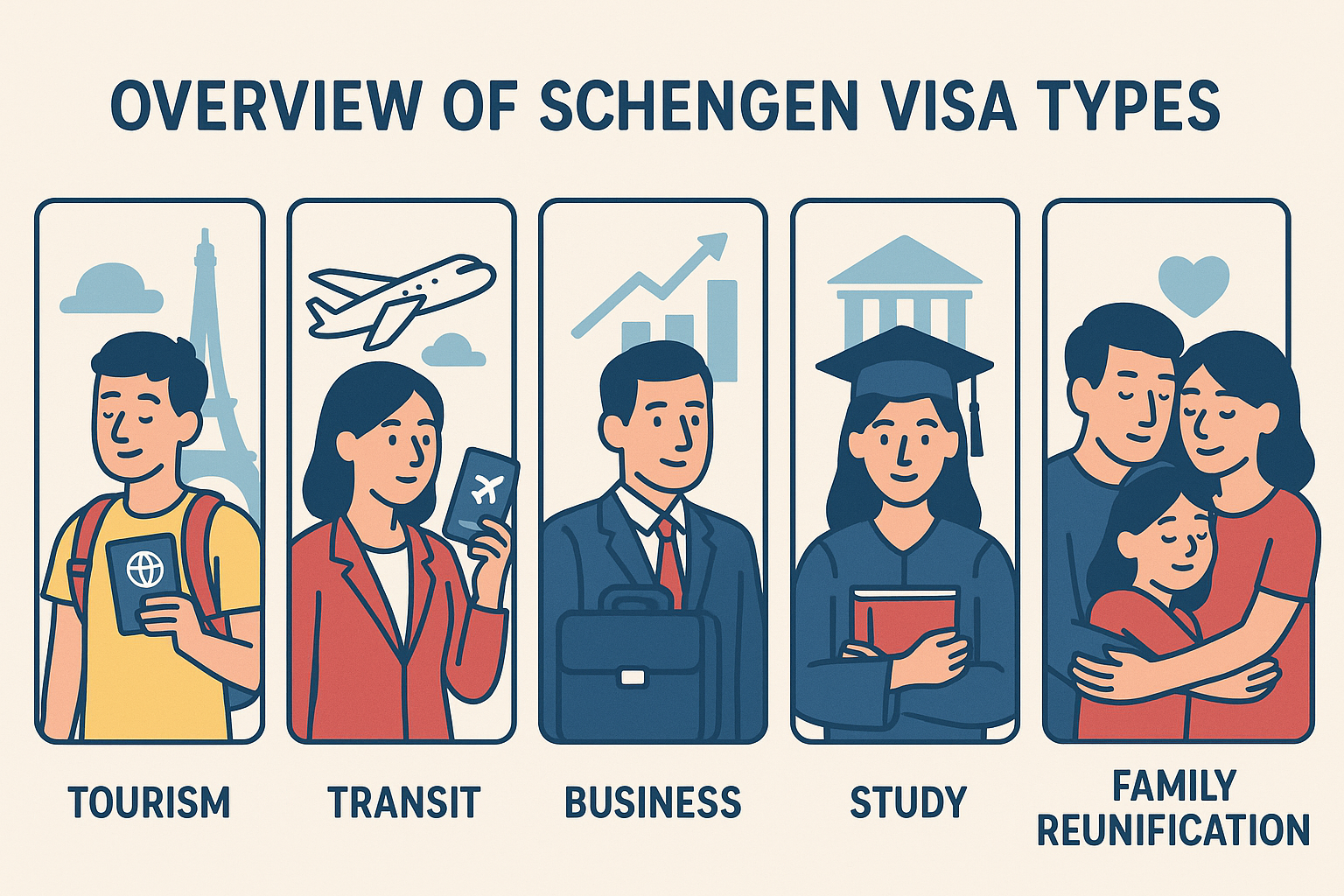
The Schengen visa is a powerful tool for non-EU nationals, allowing them to move freely across 29 Schengen countries with a single permit, including any schengen state. This visa not only simplifies travel but also enhances the overall experience by removing the need for multiple visas for each country visited within the Schengen area, as outlined by the Schengen agreement.
There are four main types of Schengen visas, each catering to different travel needs:
- Short-stay visas for tourism, business, and family visits
- Long-stay visas for work
- Long-stay visas for study
- Long-stay visas for family reunification
Additionally, understanding each schengen visa type and schengen type is crucial for travelers.
Understanding which type suits your travel purpose and duration of stay is crucial for a smooth journey.
Additionally, some specialized visas, like the Limited Territorial Validity Visa (LTV), restrict travel to specific Schengen countries, while others, like the Uniform Schengen Visa, allow travel within the entire Schengen Area.
Short-Stay Schengen Visas
Short-stay Schengen visas are perfect for travelers planning to spend up to 90 days within a 180-day period in the Schengen zone. These visas:
- Cater to various needs, from leisurely tourism to urgent business trips and family visits.
- Offer flexibility, allowing you to explore multiple Schengen countries.
- Provide options for single, double, or multiple entries, depending on your travel plans.
Two primary types of short-stay visas are the Type A – Airport Transit Visa and the Type C – Short-Term Visa. Each serves a unique purpose and has different requirements and conditions.
Type A – Airport Transit Visa
The Type A Airport Transit Visa is essential for travelers who need to change flights at Schengen airports without actually entering the Schengen area. This visa allows you to remain in the international transit area of the airport during your layover, ensuring you can catch your connecting flight without any issues.
However, the Airport Transit Visa is only valid for 24 hours, so it’s crucial to ensure your connecting flight falls within this timeframe. While this visa facilitates smooth transit, it’s important to note that it does not permit you to leave the airport or enter any Schengen country.
Type C – Short-Term Visa
The Type C Short-Term Visa is the most commonly referred Schengen visa, designed for stays of up to 90 days within a 180-day period. This visa is ideal for tourists, business travelers, and individuals attending short courses or events. Whether you’re exploring the romantic streets of Paris, closing a business deal in Berlin, or attending a seminar in Madrid, the Type C visa has you covered.
This visa type offers flexibility with options for single-entry, double-entry visa, and multiple-entry visas, including a single entry schengen visa. The choice of entry type depends on your travel plans and how frequently you intend to leave and re-enter the Schengen area. For example, a multiple-entry visa allows you to travel in and out of the Schengen zone multiple times, provided you adhere to the 90/180 rule.
Long-Stay Schengen Visas
Long-stay Schengen visas, categorized as Type D, are designed for those planning to stay in a specific Schengen country for more than 90 days. These visas are typically issued for purposes such as:
- Work
- Study
- Family reunification
Unlike short-stay visas, a long stay visa is issued by individual Schengen countries, and the requirements and conditions can vary significantly depending on the particular schengen country, including the need for a residence permit.
Type D – National Visa
The Type D National Visa allows extended stays in a specific Schengen country for more than 90 days. This visa type is usually granted for work, study, or family reunification and can be valid for 3 to 12 months, depending on the purpose of the stay. For instance, students pursuing a degree in a Schengen country or professionals with a job offer can benefit from this visa. National visas are essential for those looking to stay longer in a Schengen country.
Applicants for a Type D visa must submit their application from outside the Schengen area, usually in their home country, at an external border. The application process requires detailed documentation, including proof of purpose, financial means, and health insurance.
Limited Territorial Validity Visa (LTV)
The Limited Territorial Validity Visa (LTV) is a type of Schengen visa. It allows travel only to certain Schengen countries. Unlike the Uniform Schengen Visa, which allows entry to all member states, the LTV is only valid in designated countries due to specific circumstances surrounding the traveler’s situation.
This visa is often issued under extraordinary conditions, such as for asylum seekers or foreign nationals facing emergency situations that necessitate travel to specific regions. It’s important to note that LTV holders cannot engage in general tourism or typical short-term visits.
Multiple Entry Schengen Visas
Multiple entry Schengen visas are a boon for frequent travelers, allowing them to enter and exit the Schengen area as many times as needed within the visa’s validity period. These visas come with various validity durations, such as one, three, or five years, depending on the applicant’s travel history and needs.
To qualify for a multiple-entry visa, specific criteria must be met. For instance, a one-year multiple-entry visa requires the applicant to have used three visas in the past two years, while a five-year visa is granted to those who have held a two-year visa in the past three years. This flexibility is invaluable for business professionals, frequent tourists, and others with extensive travel plans.
Schengen Visa Application Process

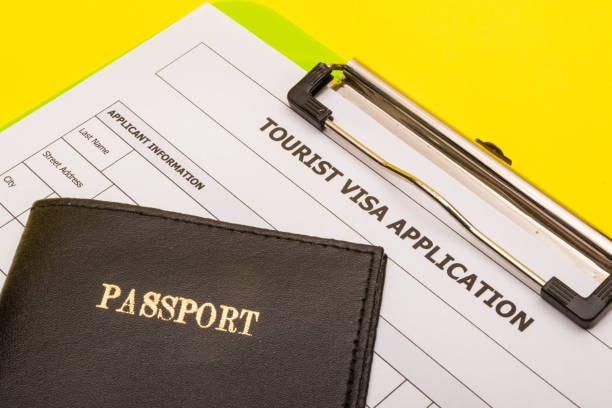
Applying for a Schengen visa involves several key steps. First, determine the type of Schengen visa you need based on your travel purpose and duration of stay. Next, visit the embassy or consulate website of the specific Schengen country you plan to visit to gather detailed requirements.
The application process requires submitting a valid passport, a completed application form, and supporting documents such as a travel itinerary, proof of accommodation, and evidence of financial means. Additionally, biometric data, including fingerprints, must be provided during the application submission. It’s crucial to apply at least 15 days before your travel date but no more than six months in advance.
After submitting your application, follow these steps:
- Book an appointment at the nearest Visa Application Centre.
- Wait for the processing time, which typically takes 15 days but can extend up to 45 days in certain cases.
- If your application is rejected, you will receive an explanation and instructions on how to appeal the decision.
Importance of Travel Insurance for Schengen Visas

To obtain a Schengen visa, travel insurance is required. It is a mandatory condition for the application process. The insurance must cover emergency medical care and repatriation, with a minimum coverage of €30,000. This requirement ensures that travelers are protected against high healthcare costs in Europe, including emergency dental care and repatriation of remains in case of death.
The insurance must be valid across all Schengen countries, providing comprehensive coverage regardless of your travel itinerary. Ensuring you have the right medical insurance not only meets visa requirements but also offers peace of mind during your travels.
Schengen Visa Validity and Duration of Stay
The validity of a Schengen visa refers to the period during which it can be used to enter the Schengen area. This period is determined by embassy or consulate officials and is indicated on the visa sticker. It is essential to understand the difference between the visa’s validity and the duration of stay, which is the maximum time allowed in the Schengen area on that visa.
For short-stay visas:
- The maximum stay is 90 days within a 180-day period.
- The 180-day period starts from the date of your first entry to stay in the schengen area.
- It’s crucial not to exceed this limit, as overstaying can lead to penalties and future visa rejections.
Once the visa’s validity ends, it cannot be used to re-enter the Schengen area, even if the duration of stay has not been fully utilized. Understanding these rules ensures you remain compliant with Schengen visa regulations and enjoy a hassle-free travel experience.
Summary
Navigating the world of Schengen visas can seem complex, but with the right information, it becomes much more manageable. From short-stay to long-stay, and multiple entry visas, each type serves a unique purpose and suits different travel needs. Knowing which visa to apply for, the application process, and the importance of travel insurance will ensure a smooth and enjoyable journey through the Schengen zone.
Whether you’re planning a brief visit or a longer stay, understanding the intricacies of Schengen visas empowers you to travel with confidence. Safe travels, and enjoy your European adventure!
For more information, you might find our other blog about the Schengen visa helpful:
https://afaqalhijra.com/schengen-visa-oman/
Frequently Asked Questions
What is the maximum duration I can stay in the Schengen area with a short-stay visa?
You can stay in the Schengen area for a maximum of 90 days within a 180-day period with a short-stay visa (Type C). It is essential to monitor your travel days to ensure compliance with this regulation.
Do I need travel insurance to apply for a Schengen visa?
Travel insurance is mandatory for obtaining a Schengen visa, with a required minimum coverage of €30,000. It is essential to include this in your application.
Can I apply for a Schengen visa from any Schengen country consulate?
You must apply for a Schengen visa at the consulate or embassy of the specific Schengen country you intend to visit or where you will spend the most time.
What happens if my Schengen visa application is rejected?
If your Schengen visa application is rejected, you will be provided with an explanation for the decision along with information on how to appeal. It is important to review the reasons for rejection, and gather any necessary documentation for your appeal.
How many entries can I get with a Type C visa?
A Type C visa can be issued for single, double, or multiple entries, based on your specific travel intentions.